Guide to Performing Hajj
The Essentials

Your step-by-step introduction to the key rituals and practices of Hajj.

Spiritual Preparation:

-Purify your intention (niyyah) to perform Hajj solely for Allah’s sake.

-Seek forgiveness from Allah and from others.

-Learn the rituals and significance of Hajj to connect deeply with its meaning.

Physical Preparations:

-Obtain required vaccinations

-Consult a doctor and follow with a health check up

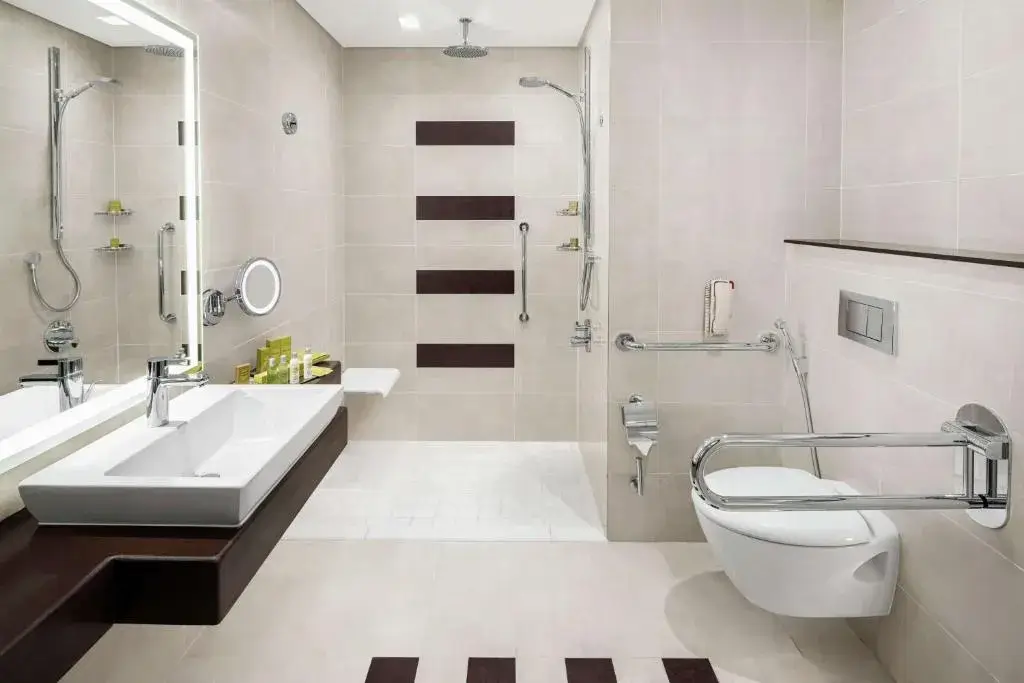
-If you do require wheelchair assistance, do not hesitate to contat us!

Pack Your Necessities:

-Pack comfortable clothing and footwear for your journey (Sunglass, hat to protect from the sun, etc)

-Ihram, including headscarf for women

-Prayer mat, unscented toiletries, a reusable water bottle, and a small travel bag.

-Optional garments, Kufi and thoub for men.
Abayat/spare prayer outfit(s), scarves, caps (optional) and pins for women

Practical Arrangements  & Budget

-Make sure you have prepared all your necessary documents such as visa, vaccination records, passport, etc.

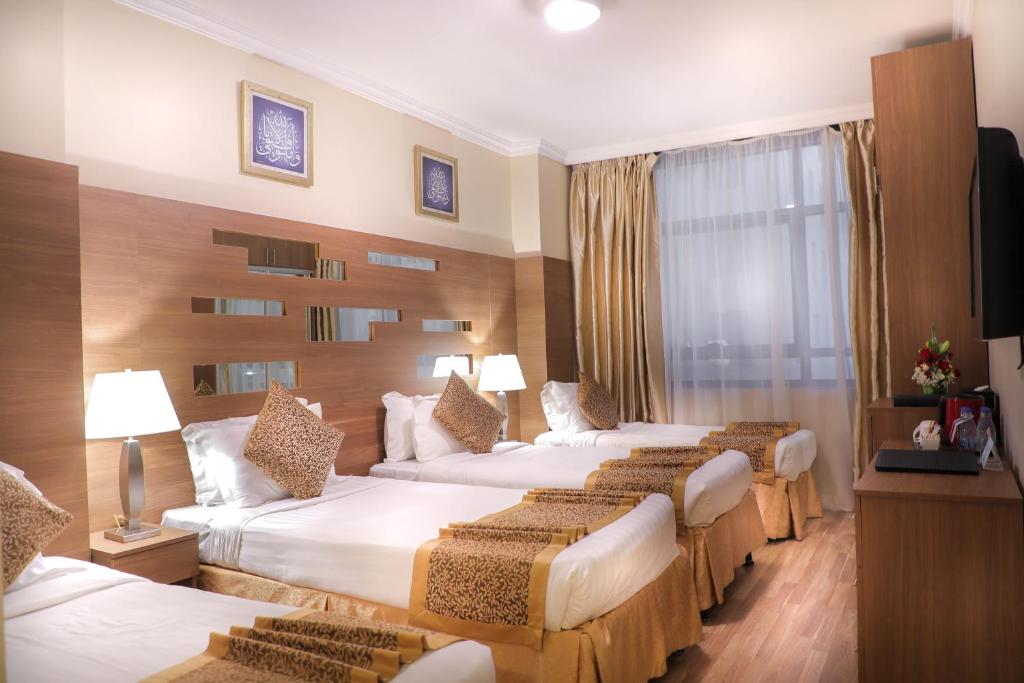
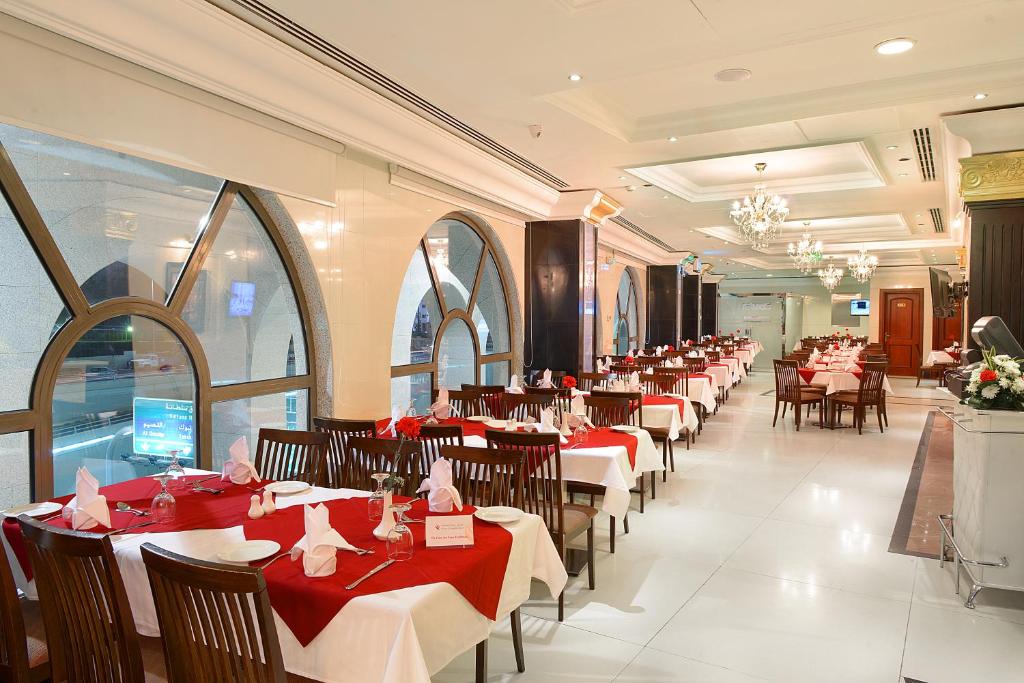
-Allocate funds for your Hajj package, including travel, accommodation, meals, and religious obligations like Qurbani. Keep extra cash for emergencies and consider exchanging money in advance for convenience.

Different types of Hajj

Hajj Tamattu

Performing Umrah first, followed by Hajj, with a break in between. Pilgrims exit Ihram after Umrah and re-enter it for Hajj.
Umrah:
Perform Tawaf and Sa’i in Ihram, then shave or trim your hair and exit Ihram.
Hajj:
Re-enter Ihram on the 8th of Dhul-Hijjah and perform the Hajj rituals.
Sacrifice:
Recommended but
not a must.

Hajj Qiran

This involves combining Umrah and Hajj without exiting Ihram in between.
Umrah and Hajj Together:
Perform the Tawaf and Sa’i for Umrah.
Continue with the rituals of Hajj without exiting Ihram.
Sacrifice:
Recommended but
not a must.

Hajj Ifrad

This is performing only the Hajj without incorporating Umrah. Pilgrims remain in Ihram for the entire duration of Hajj.
Hajj:
Enter Ihram with the intention of performing Hajj only. Complete all the rituals, including Tawaf, Sa’i, and standing at Arafat.
Sacrifice:
Recommended but
not a must.

Important landmarks

Makkah

Mina

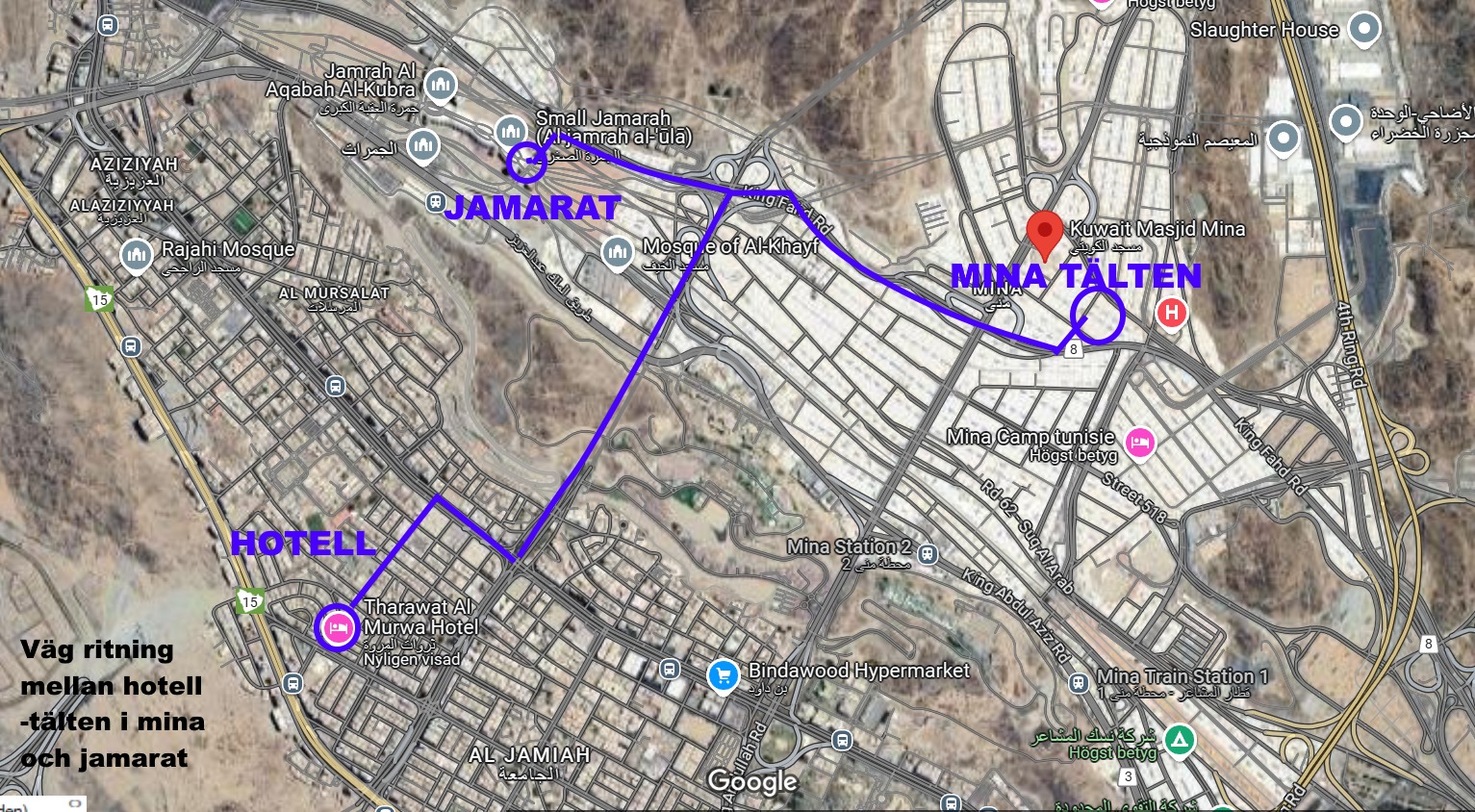
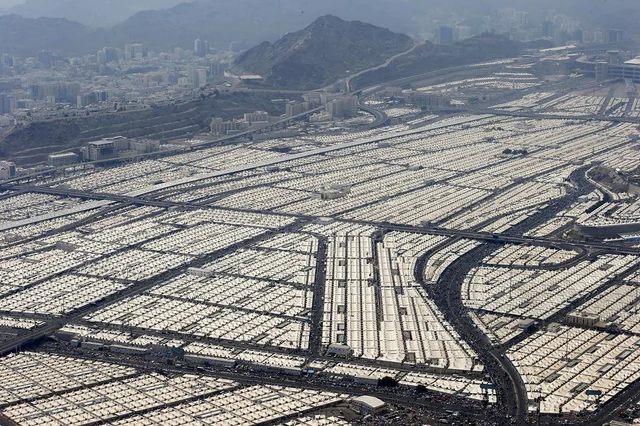
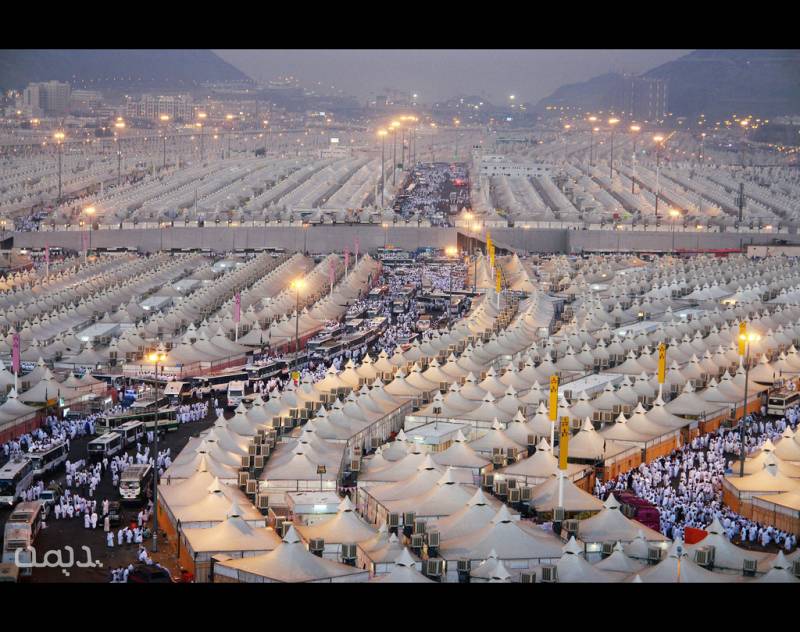
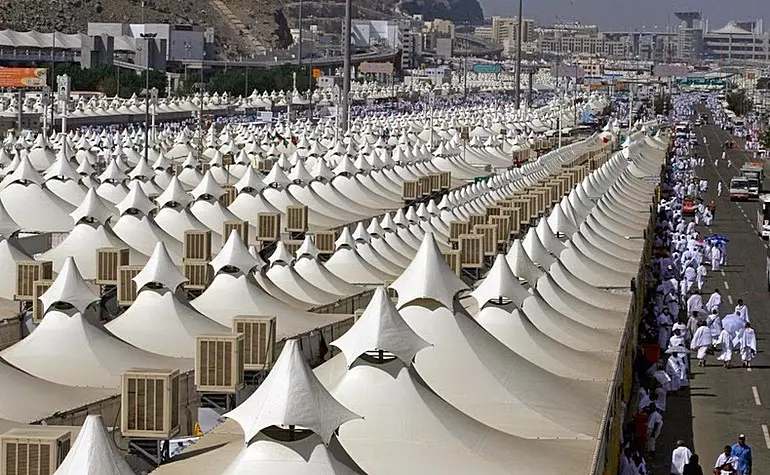
Mina is known as the "City of Tents" and is an essential location during Hajj. Pilgrims stay here in designated tents during the days of Hajj and perform the ritual of stoning the Jamarat (symbolizing the rejection of evil).

Arafah

The plain of Arafah is where the most significant ritual of Hajj, Wuquf (the standing), takes place. Pilgrims gather here on the 9th of Dhul-Hijjah to pray, seek forgiveness, and make supplications.

Muzdalifah

Muzdalifah is a sacred site where pilgrims spend the night under the open sky after leaving Arafah. Here, they collect pebbles for the stoning ritual in Mina.

Jabal Thawr

Jabal Thawr is the mountain that houses the cave where Prophet Muhammad (PBUH) and his companion Abu Bakr sought refuge during their migration to Madinah. It holds historical and spiritual significance.

Jabal Nour

Jabal Nour is home to the Cave of Hira, where the first revelation of the Quran was received by Prophet Muhammad (PBUH). It is a revered landmark for visitors to Makkah.

Medinah

Jabal Uhud

Jabal Uhud is the site of the famous Battle of Uhud, where the Prophet Muhammad (PBUH) and his companions fought. It serves as a reminder of bravery, sacrifice, and lessons from history.

Al-Baqi'

Al-Baqi' is the historic cemetery in Medinah where many of the Prophet’s (PBUH) family members, companions, and prominent figures of Islam are buried. It is a place of great reverence.

Masjid Quba

Masjid Quba is the first mosque built in Islam. It is a site of immense spiritual significance, as the Prophet Muhammad (PBUH) laid its foundation with his own hands.

Masjid Al-Qiblatayn

This mosque is where the Qibla (direction of prayer) was changed from Jerusalem to the Kaaba in Makkah. It holds unique significance in Islamic history.

Masjid Al-Ghamama

Masjid Al-Ghamama is located near the Prophet’s Mosque and is believed to be the place where the Prophet (PBUH) performed Salat-ul-Istisqa (prayer for rain).

What is Nusuk?

Nusuk is the official system for registering for Hajj, which is administered by the Saudi government. It is used to book packages, obtain visas and manage all the arrangements required to undertake this sacred journey. The system is designed to simplify the process and ensure that all pilgrims receive the right support during their journey.

However, for new pilgrims, navigating Nusuk can feel overwhelming. Language barriers, technical details and a variety of steps can create confusion and uncertainty. That's why we offer help - with our experience and expertise, we've helped many people register easily and avoid mistakes. We make sure the process is smooth and stress-free, so you can focus on preparing for your Hajj.

Nusuk Assistance

With our experience, we make sure you get your Nusuk account, smoothly and stress-free.

Registration fee: 2 Euro

If you wish to register without help: https://hajj.nusuk.sa/

With more than 25 years of experience in Hajj and Umrah travel, we strive to provide pilgrims with a safe and high-quality experience from start to finish.

©2026 Tawaf International Co. All Rights Reserved.

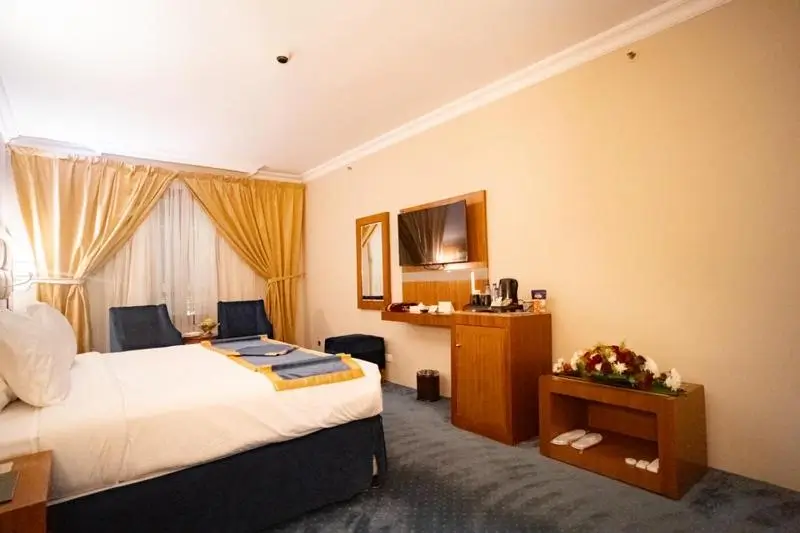
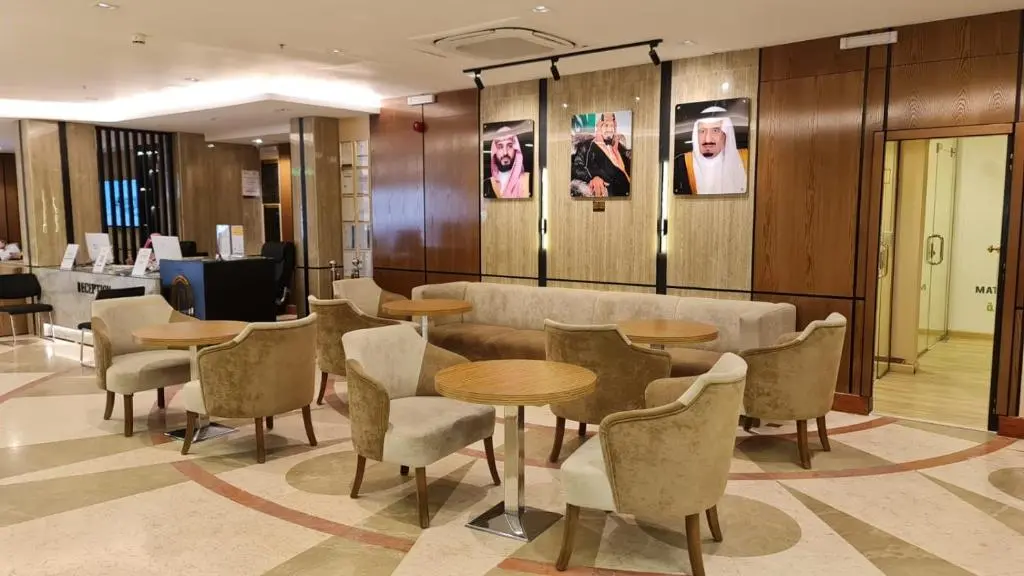
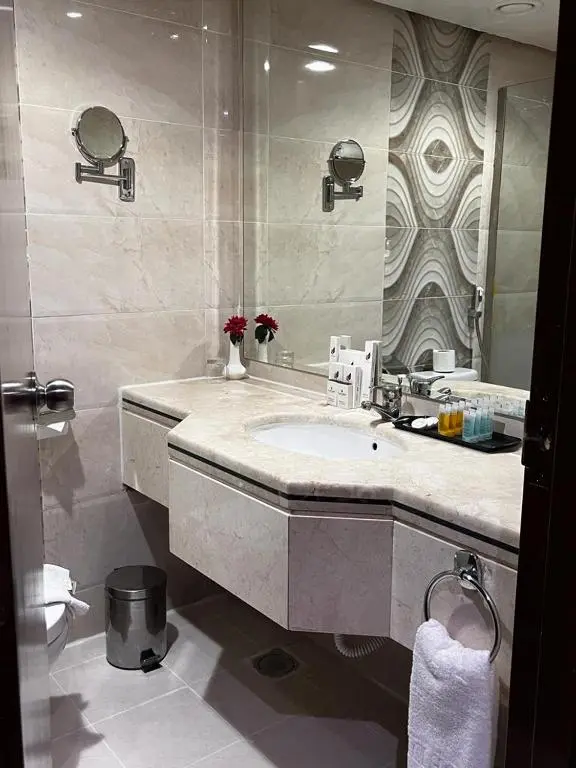
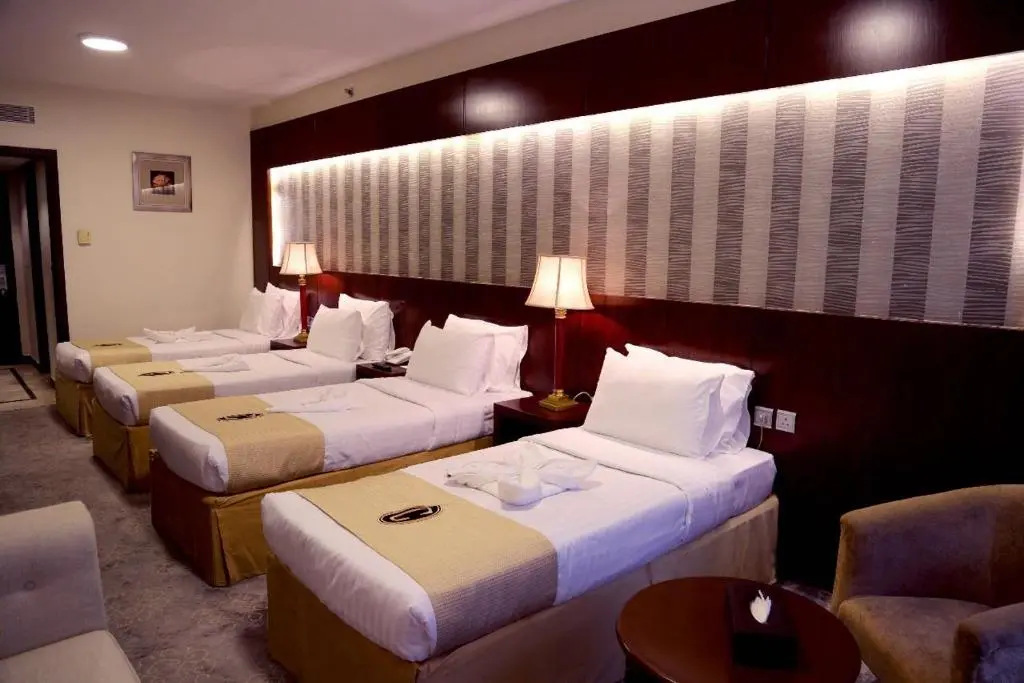
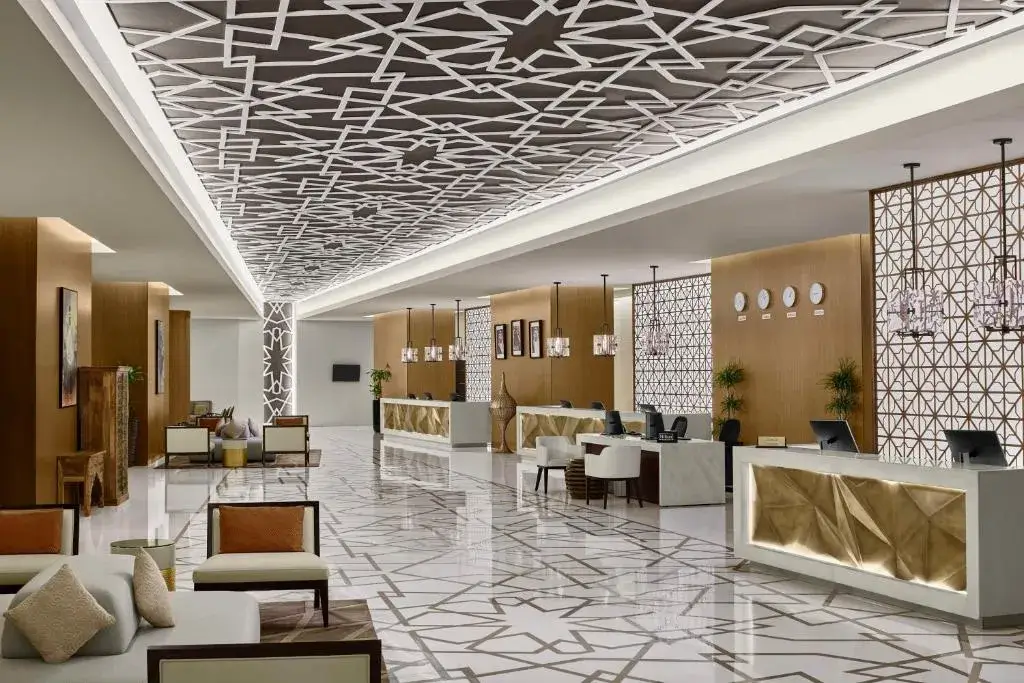
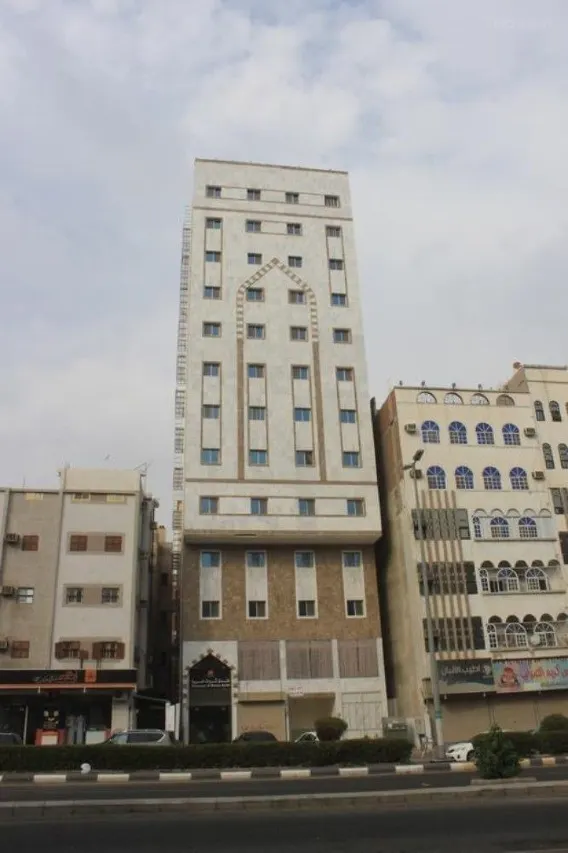
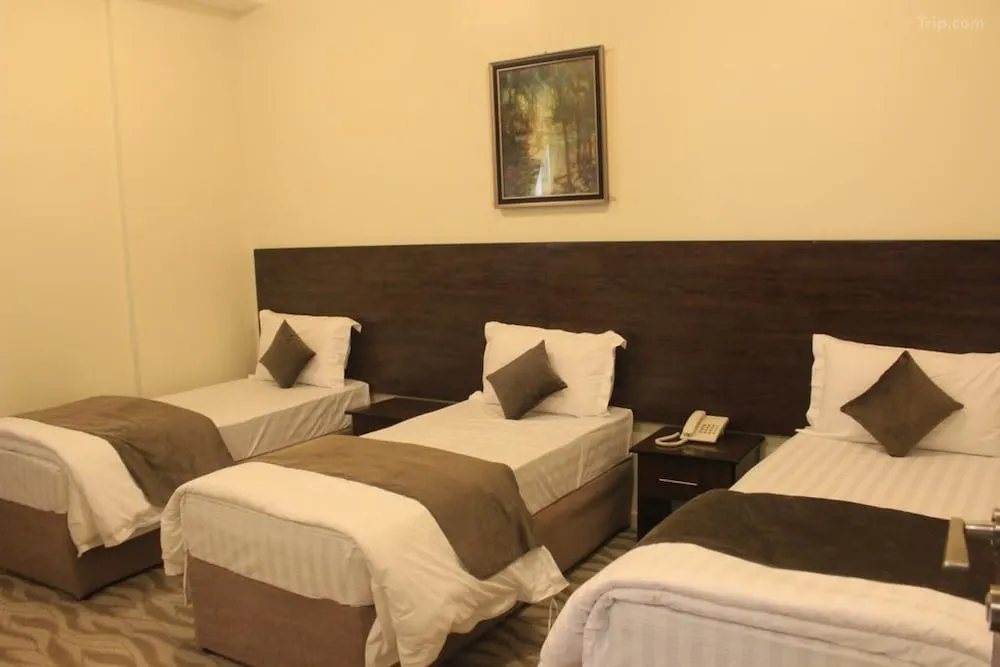
Deyar al Eiman

or similar...
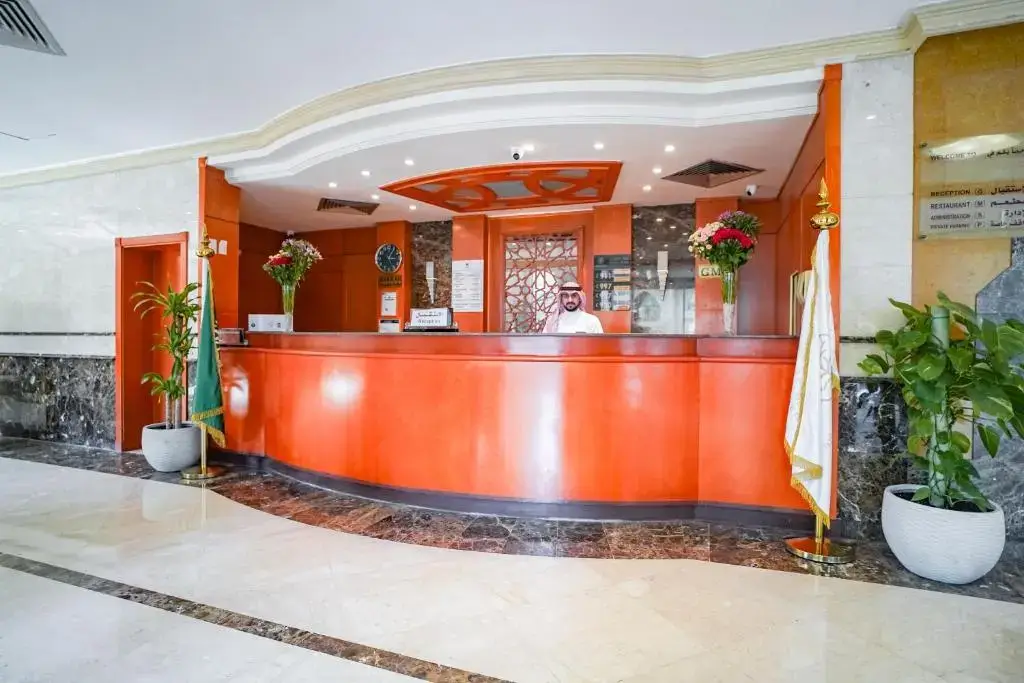
Al-Hashimiyah

or similar...

Emaar Al Safa

or similar...

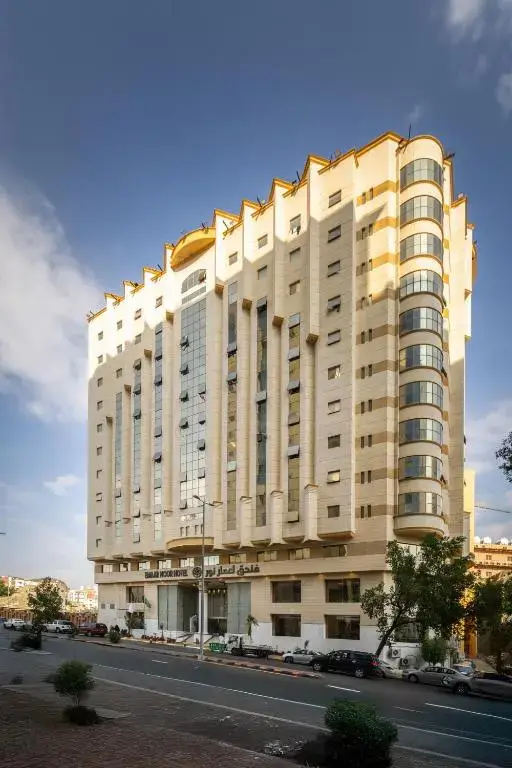
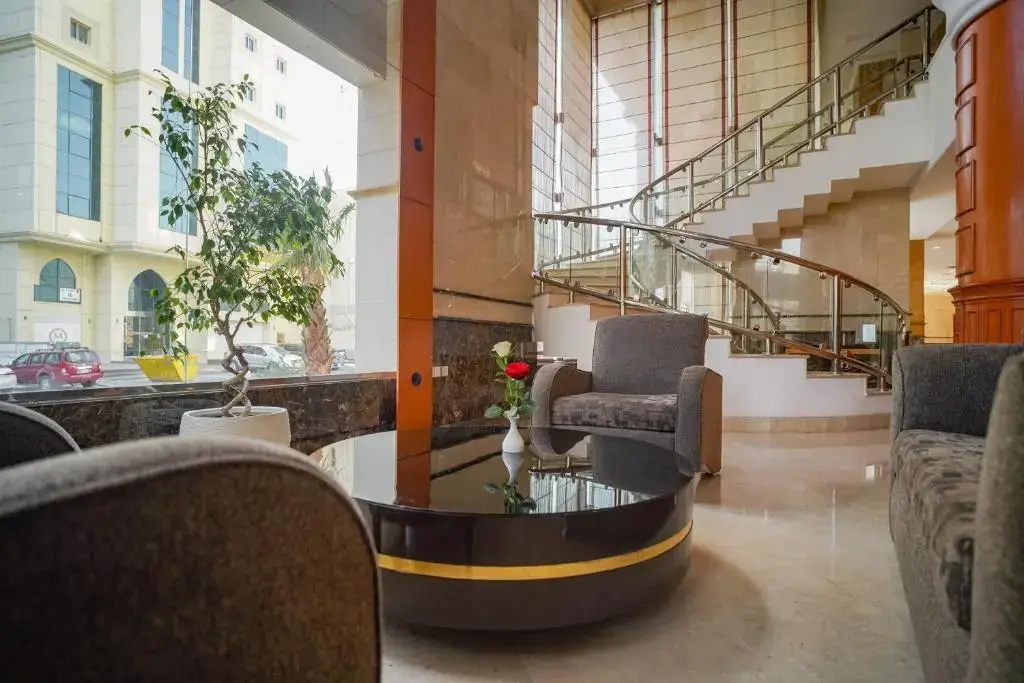
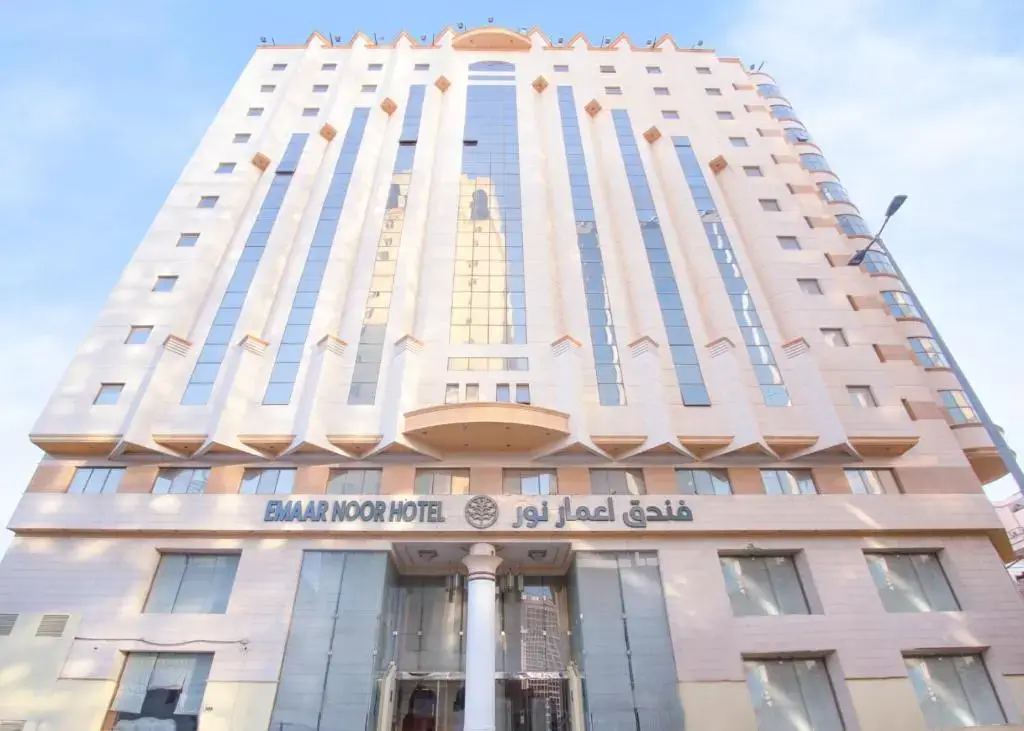
Emaar Al Noor

or similar...

Emaar Elite Al-Madina

or similar...

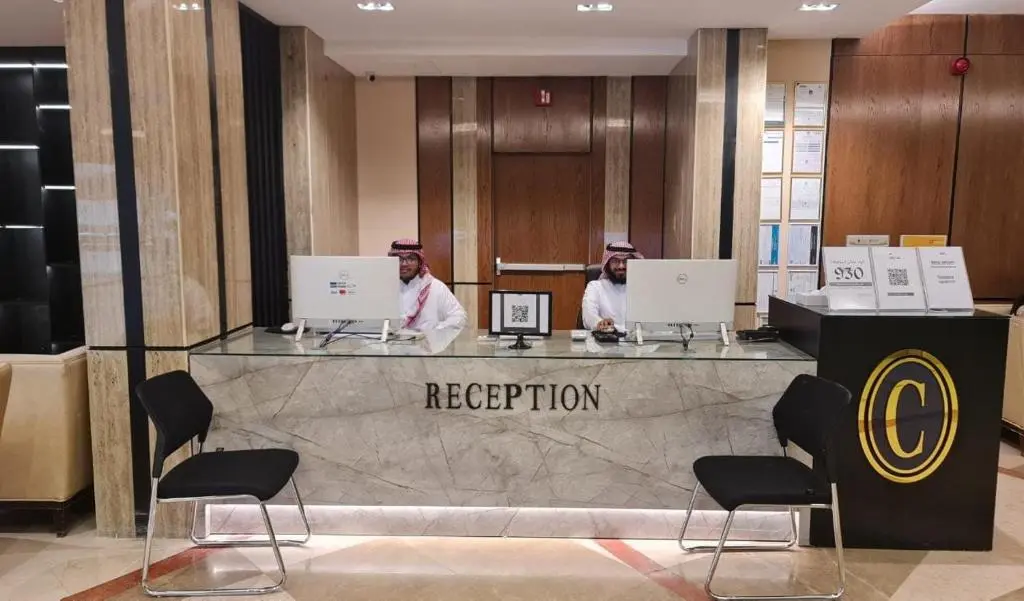
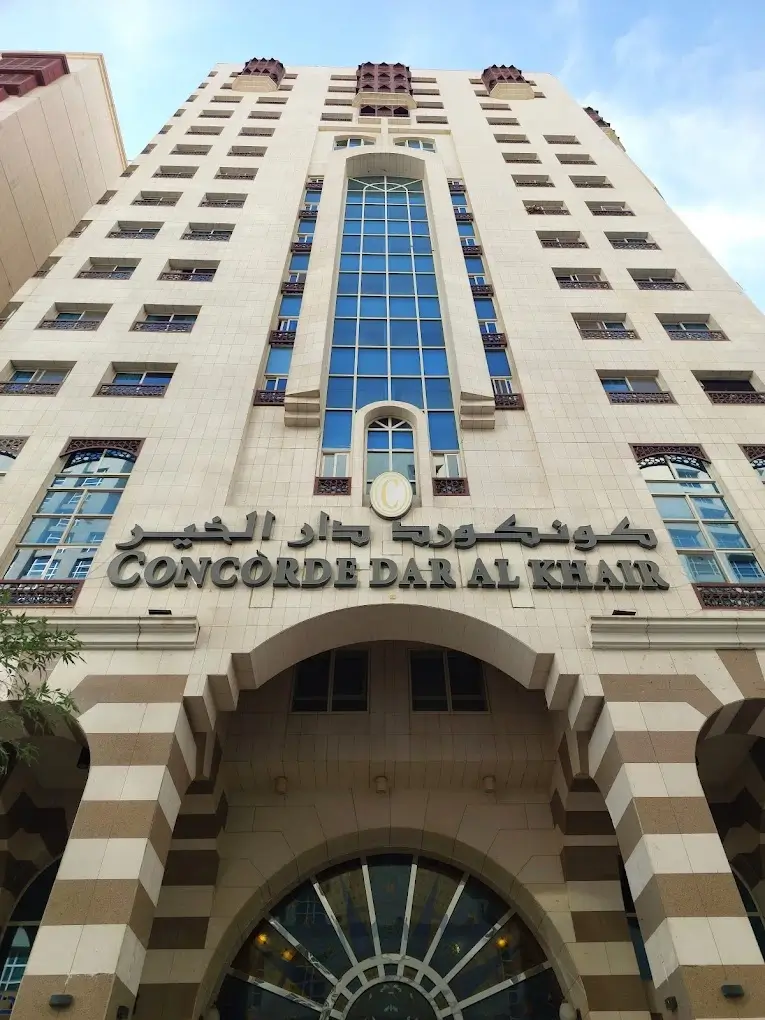
Concorde Dar Al-Khair

Emaar Al Murwa

or similar...

Emaar Al-Nozha

or similar...